
IT Help Desk Outsourcing Solutions for e-Commerce and Retail
In today’s hyper-competitive e-commerce and retail landscape, technology has transformed from a supporting function to the central nervous system of business operations. From inventory management and point-of-sale systems to e-commerce platforms and customer-facing applications, the retail technology ecosystem has become increasingly complex and mission-critical. This evolution has made effective IT help desk support a critical success factor for retail organizations seeking to maintain operational efficiency and deliver exceptional customer experiences.
The Unique IT Support Challenges in Retail and e-Commerce
Retail and e-commerce operations face distinct support challenges that differ substantially from other industries, requiring specialized expertise and tailored approaches.
Unforgiving Uptime Requirements
Unlike many business sectors where brief technical disruptions cause inconvenience, in retail environments, system downtime directly and immediately impacts revenue. According to McKinsey research, even minor technical disruptions during peak selling periods can result in revenue losses ranging from 5-15% of daily sales.
Critical system dependencies include:
Point-of-Sale (POS) Systems
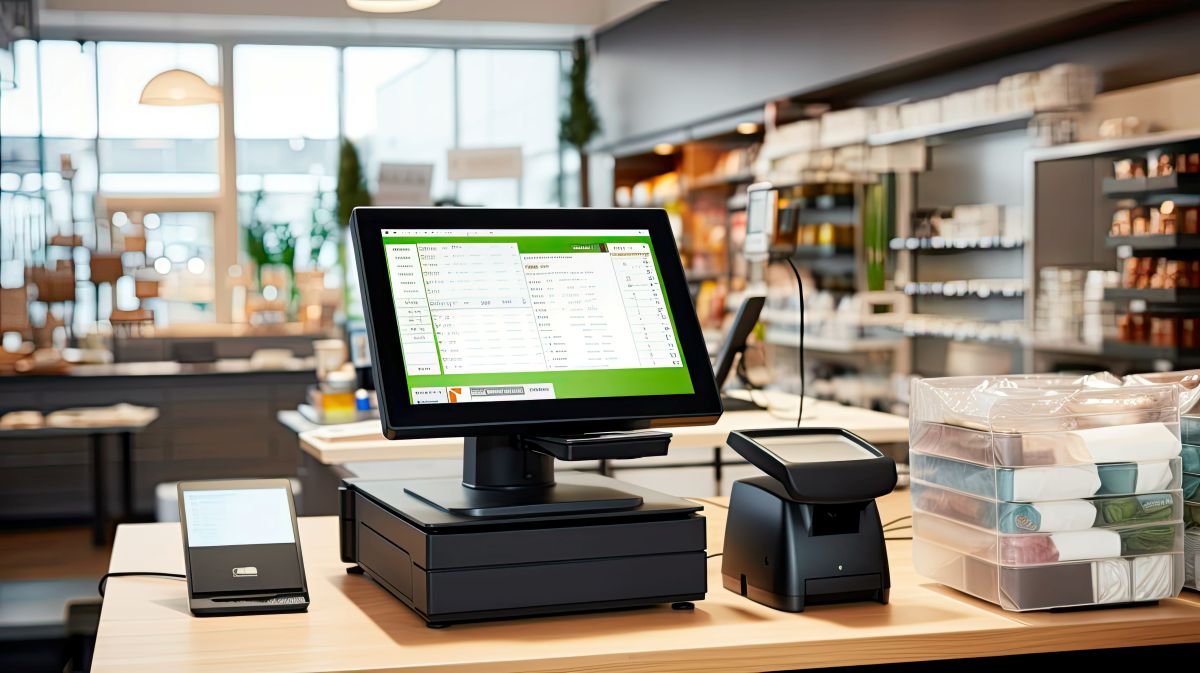
Modern POS systems form the operational backbone of retail environments, handling transactions, inventory updates, promotions, and customer data management. When these systems experience issues, the impact is immediate and severe—often preventing sales completion entirely.
E-commerce Platforms
For online retailers, platform stability is existential. The Adobe Digital Economy Index estimates that large e-commerce operations lose approximately $500,000 per hour during complete outages, with additional losses from degraded performance or partial functionality issues.
Inventory Management Systems
Accurate inventory visibility across channels is essential for modern retail operations. System issues affecting inventory can lead to overselling, fulfillment failures, and customer disappointment.
Payment Processing Systems
Payment processing disruptions create particularly challenging situations, as they directly prevent revenue capture even when all other systems function properly.
Multichannel Support Requirements
Modern retail operates across multiple channels, each with unique technology requirements:
In-Store Technology
Physical retail locations deploy an increasingly sophisticated technology stack including:
- Fixed and mobile POS terminals
- Self-checkout systems
- Digital signage
- Customer Wi-Fi networks
- Employee mobile devices
- RFID inventory tracking
- Security systems
E-commerce Infrastructure
Online retail channels depend on numerous integrated systems:
- Web storefronts
- Mobile applications
- Content management systems
- Product information management
- Personalization engines
- Search functionality
- Recommendation systems
Omnichannel Integration Points
The connective tissue between channels introduces additional complexity:
- Buy-online-pickup-in-store (BOPIS) systems
- Inventory visibility across channels
- Customer profile synchronization
- Unified promotions management
- Cross-channel returns processing
Support During Critical Business Periods
Retail operations experience extreme demand variability, with support requirements escalating dramatically during peak periods:
Seasonal Peaks
Holiday shopping seasons like Black Friday/Cyber Monday create extraordinary volume spikes. According to the National Retail Federation, approximately 30% of annual retail sales occur during the traditional holiday shopping season, making technical stability during these periods absolutely critical.
Promotional Events
Flash sales, limited-time offers, and major promotional events create concentrated periods of extreme system load requiring heightened support readiness.
Geographic Variations
Multinational retailers must account for different seasonal patterns and promotional calendars across regions, further complicating support requirements.
ITELENCE’s retail-specific IT support solutions incorporate specialized surge capabilities to address these variable demand patterns without the excessive costs of maintaining year-round capacity for peak periods.
Complex Vendor Ecosystem Management
Retail technology environments typically involve numerous vendors and integration points:
Diverse Application Portfolio
A typical enterprise retailer maintains 50-100+ applications spanning:
- Core merchandising systems
- Supply chain management
- Customer relationship management
- Financial systems
- Business intelligence
- Workforce management
- Specialized retail applications
Integrated Third-Party Services
Modern retail depends on seamless interaction with external services:
- Payment processors
- Shipping and logistics providers
- Tax calculation services
- Fraud prevention systems
- Customer review platforms
- Marketing automation tools
Vendor Coordination Challenges
Support complexity increases dramatically when issues span multiple vendors, requiring specialized coordination expertise to achieve timely resolution.
The Strategic Benefits of Specialized Retail IT Help Desk Outsourcing
While generalized IT support providers may struggle with retail’s unique challenges, specialized retail IT help desk outsourcing delivers significant strategic advantages:
Retail-Specific Expertise
Specialized providers develop deep knowledge of retail technologies and operational patterns:
Retail Application Experience
ITELENCE’s retail support team maintains expertise across common retail platforms:
- Point-of-Sale systems (Oracle Retail, NCR, Toshiba, IBM)
- E-commerce platforms (Shopify Plus, Magento, SAP Hybris, Salesforce Commerce Cloud)
- Retail management systems (Microsoft Dynamics, Oracle Retail, SAP for Retail)
- Specialized retail applications for merchandise planning, allocation, and assortment
Retail Process Understanding
Effective support requires understanding the business context of technical issues. Specialized providers develop deep familiarity with retail workflows, terminology, and operational priorities.
Retail Security Requirements
Retail environments handle sensitive payment and customer data subject to PCI-DSS and various privacy regulations. Specialized providers understand these requirements and integrate appropriate security practices into support procedures.
According to Forrester Research, industry-specialized support delivers 22-35% higher first-contact resolution rates compared to generalist providers when handling complex retail application issues.
Scalable Capacity for Seasonal Peaks
Retail-focused outsourcing provides economical approaches to handling dramatic seasonal variations:
Elastic Staffing Models
Specialized providers develop flexible resource models that scale with demand patterns:
- Core teams maintaining system and environment knowledge
- Cross-trained resources that can be deployed during peak periods
- Strategic cross-client resource sharing for complementary seasonal patterns
Extended Coverage During Critical Periods
Retail-oriented providers offer enhanced support models during peak seasons:
- Extended hours or 24/7 coverage during critical periods
- Additional tier 2/3 expertise on standby during major promotional events
- Accelerated escalation paths for business-critical issues
Cost-Effective Scaling
Purpose-built scaling models eliminate the need to maintain year-round staffing for peak capacity, typically reducing support costs by 30-40% compared to maintaining equivalent internal capabilities.
ITELENCE’s retail surge support model provides guaranteed additional capacity during pre-scheduled peak periods while maintaining cost efficiency during normal operations.
Enhanced Omnichannel Support Integration
Modern retail requires seamless support across physical and digital channels:
Cross-Channel Perspective
Specialized providers develop expertise spanning the entire retail technology ecosystem, enabling more effective support for issues affecting multiple channels.
Unified Support Experience
Integrated support teams eliminate the fragmentation often seen in organizations with separate teams supporting store systems, e-commerce platforms, and corporate applications.
Holistic Problem Resolution
Issues affecting multiple systems receive comprehensive resolution rather than symptom-focused approaches limited by siloed support structures.
A Harvard Business Review study found that omnichannel retailers with integrated support functions achieve 18% higher customer satisfaction scores compared to those with fragmented support models.
Technology Transformation Support
Retail organizations undergoing digital transformation require specialized support capabilities:
Implementation Support
New technology deployments need enhanced support during initial rollout phases. Specialized providers offer transition support models that maintain stability during technology changes.
Legacy System Maintenance
As retailers modernize, legacy systems often require continued support until fully replaced. Specialized providers maintain expertise across both legacy and modern retail platforms.
Knowledge Preservation
Retail digital transformation often involves significant staff transitions. External support partners preserve critical knowledge during these organizational changes.
Key Service Components for Retail and e-Commerce Support
Effective IT help desk outsourcing for retail encompasses several critical service components:
Store Systems Support
Specialized retail support addresses the unique needs of in-store technology:
POS System Support
- Transaction processing issues
- Hardware troubleshooting (scanners, card readers, receipt printers)
- Software updates and maintenance
- Configuration management across store locations
- Integration with payment processors and back-office systems
Mobile POS Support
- Mobile device management
- Application functionality issues
- Connectivity troubleshooting
- Security and compliance maintenance
Self-Service Technology Support
- Self-checkout systems
- Price checking stations
- Interactive kiosks
- Customer-facing digital displays
E-Commerce Platform Support
Online retail environments require specialized support capabilities:
Storefront Functionality
- Product display issues
- Search functionality problems
- Checkout process failures
- Account management systems
- Content rendering problems across devices
Integration Point Management
- Payment gateway connections
- Shipping calculation services
- Tax determination services
- Inventory availability services
- Personalization engines
Performance Optimization
- Response time monitoring and optimization
- Transaction throughput issues
- Database performance troubleshooting
- Caching system management
Omnichannel Systems Support
The connective tissue between channels requires specialized expertise:
Cross-Channel Inventory Management
- Inventory visibility discrepancies
- Allocation conflicts between channels
- Real-time inventory update failures
- Overselling situations
Unified Order Management
- Order status tracking across channels
- BOPIS/Click and Collect technical issues
- Cross-channel return processing
- Order modification and cancellation processes
Customer Profile Management
- Customer data synchronization issues
- Loyalty program integration
- Personalization data consistency
- Privacy compliance across channels
ITELENCE’s integrated retail support model provides comprehensive coverage across these interconnected domains, eliminating the hand-offs and coordination delays common in fragmented support approaches.

Vendor Coordination Services
Retail support often involves complex multi-vendor ecosystems:
Vendor Management
- Clear escalation processes for third-party issues
- Vendor SLA monitoring and enforcement
- Coordinated problem resolution across multiple providers
- Communication management during major incidents
Integration Point Troubleshooting
- Data flow analysis across system boundaries
- API functionality verification
- Authentication and authorization troubleshooting
- Data format and transformation validation
Root Cause Analysis
- Cross-system issue investigation
- Evidence collection from multiple platforms
- Coordinated debugging across vendor boundaries
- Comprehensive problem documentation
Implementing Retail-Specific Support: Best Practices
Successfully implementing specialized retail IT support requires attention to several key implementation factors:
Retail Calendar Alignment
Support implementation should align with the retail operational calendar:
Implementation Timing
Schedule transitions during lower-volume periods to minimize business risk. Most retailers avoid implementations during:
- Holiday shopping season (typically October-December)
- Back-to-school periods (typically July-September)
- Major promotional events specific to the retailer
Phased Approach
Consider channel-based phasing to reduce risk:
- Begin with corporate/administrative systems
- Add e-commerce support during lower-volume periods
- Implement store systems support during non-peak seasons
- Gradually expand to complete omnichannel coverage
Testing Period
Establish a “shadow” period where the outsourced team observes and assists without primary responsibility, ensuring readiness before full transition.
Retail Knowledge Transfer
Effective knowledge capture is critical for retail support transitions:
System Documentation
Develop comprehensive documentation for retail-specific systems:
- Point-of-Sale configuration details
- E-commerce platform customizations
- Integration architecture documentation
- Vendor contact and escalation information
- Known issues and workarounds
Seasonal Procedures
Document specialized procedures for high-volume periods:
- Change freeze protocols
- Accelerated escalation paths
- Expanded coverage schedules
- Emergency response procedures
Business Context Training
Ensure support teams understand retail operations beyond technical aspects:
- Impact of technical issues on sales processes
- Business priorities during different seasonal periods
- Customer experience implications of technical problems
- Relative criticality of different systems and functions
ITELENCE’s retail onboarding framework includes specialized retail knowledge capture methodologies developed through extensive experience with leading retailers.
Specialized SLA Structures
Retail support requires tailored service level agreements:
Variable Response Commitments
Structure SLAs to reflect business impact variations:
- Enhanced response times during store operating hours
- Accelerated resolution targets during peak selling periods
- Differentiated commitments based on revenue impact
- Channel-specific metrics reflecting business priorities
Business Impact Alignment
Define severity levels based on specific retail impact factors:
- Revenue prevention (e.g., complete POS outage)
- Customer experience degradation (e.g., slow checkout)
- Operational efficiency reduction (e.g., inventory scanning issues)
- Compliance and security risks (e.g., payment processing vulnerabilities)
Seasonal Adjustments
Incorporate predetermined SLA adjustments for peak periods:
- Enhanced weekend and evening coverage during holiday seasons
- Expanded tier 2/3 availability during major promotions
- Accelerated escalation thresholds during critical business periods
- Specialized reporting during high-volume events
Selecting the Right Retail IT Support Partner
The success of retail IT support outsourcing depends significantly on selecting a partner with the right capabilities and experience. Consider these evaluation criteria:
Retail Technology Expertise
Assess potential partners’ specific retail technology experience:
Retail Platform Experience
Verify the provider’s familiarity with your specific retail technologies, including:
- Point-of-Sale systems
- E-commerce platforms
- Inventory management systems
- Order management solutions
- Customer relationship management
- Payment processing systems
Retail Client Portfolio
Review the provider’s experience with similar retail operations:
- Comparable size and complexity
- Similar channel mix (store/online/mobile)
- Relevant international experience if applicable
- Experience with your specific growth stage
Retail Reference Verification
Speak with existing retail clients about:
- Performance during peak selling periods
- Ability to understand retail-specific priorities
- Resolution effectiveness for complex retail issues
- Flexibility in addressing retail’s unique challenges
Support Model Flexibility
Retail operations require adaptable support approaches:
Seasonal Capacity Management
Evaluate the provider’s ability to flex resources for peak periods:
- Additional staffing during holiday seasons
- Extended hours during critical business periods
- Accelerated escalation options for high-impact issues
- Cost-effective approaches to variable capacity needs
Channel Coverage Capabilities
Assess support capabilities across all relevant channels:
- In-store systems expertise
- E-commerce platform support
- Mobile application support
- Corporate systems capabilities
Global/Regional Support
For multinational retailers, verify appropriate coverage:
- Language capabilities matching your operational footprint
- Time zone coverage for all regions
- Cultural alignment with local market expectations
- Compliance with regional regulations
Retail-Specific Performance Metrics
Evaluate providers based on retail-relevant performance indicators:
Business Impact Metrics
Look beyond traditional IT metrics to business-aligned measurements:
- Revenue protection during technical incidents
- Sales transaction completion rates
- Customer experience impact minimization
- Support contribution to omnichannel consistency
Seasonal Performance History
Request performance data specifically for peak retail periods:
- Black Friday/Cyber Monday support statistics
- Holiday season incident resolution metrics
- Performance during previous promotional events
- Ability to maintain service levels during volume spikes
Continuous Improvement Focus
Assess the provider’s approach to ongoing optimization:
- Proactive problem identification and prevention
- Trend analysis of recurring retail-specific issues
- Knowledge base enhancement for retail scenarios
- Process refinement based on seasonal learnings
ITELENCE’s retail support solutions are built on extensive experience with leading retailers across Europe and North America, incorporating best practices developed through numerous successful implementations.
Conclusion: Transforming Retail Support for Competitive Advantage
In today’s retail environment where technology directly enables revenue generation and customer experience delivery, specialized IT help desk outsourcing represents a strategic opportunity to simultaneously reduce costs, improve service quality, and enhance business agility.
The unique challenges of retail technology—from unforgiving uptime requirements and complex omnichannel integrations to dramatic seasonal variations—demand specialized expertise and purpose-built support models that generalist providers often cannot deliver effectively.
By partnering with retail-focused support specialists like ITELENCE, retail organizations can transform their technology support from a cost center to a strategic enabler that directly contributes to revenue protection, customer satisfaction, and operational efficiency.
As retail continues its rapid digital evolution, the right support partner becomes increasingly critical—not merely maintaining systems, but enabling the technological agility required to compete in an ever-changing marketplace.
To learn more about how ITELENCE’s specialized retail IT support solutions can benefit your organization, contact our retail practice for a personalized consultation and assessment.
Additional Resources: